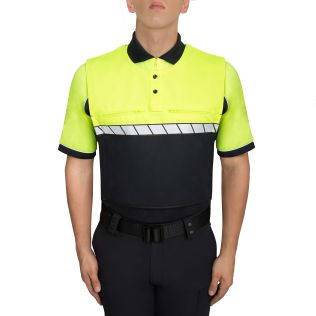
How to dress for police bike patrol.
There are two distinct approaches to bike patrol (BP) duties, and how you dress for duty depends on which one your agency follows.
Some city agencies favor a low-key uniform in traditional dark blues or black with little or no safety ornamentation, which makes them very effective in fighting certain types of crimes – such as car theft /jacking or drug dealing in the neighborhoods.
Other agencies prefer a community-policing and deterrent-based presence for their bike officers, through such things as patrolling public parks and waterways where people recreate and exercise. These agencies typically wear brighter ANSI certified (or at least hi-vis and reflective-accented) uniforms.
The good news is that both styles of uniforms are available for BP, with many options for each depending upon local weather and other factors.
The Basics
Regardless of the patrol philosophy, key fundamentals in dressing for BP duty will make the long days in the saddle safer and more comfortable. 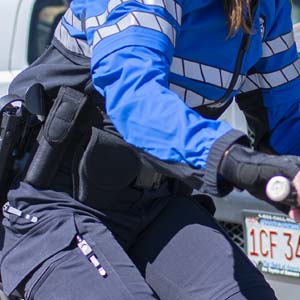
The Basics
Regardless of the patrol philosophy, key fundamentals in dressing for BP duty will make the long days in the saddle safer and more comfortable.
Especially in summer, but really all year round, every garment on your body should preferably be wicking and quick-drying. Getting caught in the rain is a reality in many places, along with sweating heavily in others; if cotton blend or 100% cotton items are worn, it will take them hours to dry, whereas similar-looking, polyester-based wicking items will dry quickly using your body heat along with evaporation as you ride.
In colder weather, a wicking turtleneck or base layer should be the first layer, followed by soft body armor and a uniform shirt, or a base shirt and ArmorSkin outer vest carrier.
In fact, ArmorSkin or an outer carrier is highly recommended: most undercover vests overheat the core and also cause rashes in many BPO’s. Moving the vest further from the skin helps to prevent body odor from ruining the vest carrier, and your partner’s day.
Wearing a t-shirt and uniform base shirt under the vest carrier will put a few layers between the skin and the armor pads themselves - which should not be machine washed, and therefore absorb odorous bacteria permanently.
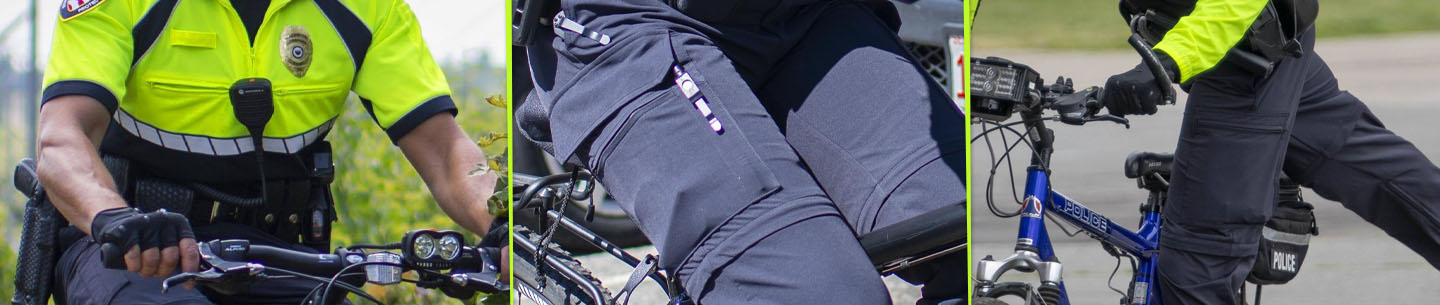
Important Accessories
Wicking long underwear pants are needed for colder weather, along with 4 way stretch biking pants that taper at the calves and cinch at the ankles. These may also have zip off legs for days that start out cool and warm up with the sun.
Compression shorts are typically worn under long underwear and/or uniform pants or shorts. Blauer, for example, uses a smaller and thinner pad so that the pads show through the uniform pants – these shorts should be washed daily.
Some other important items include:
· Ankle socks for cycling - these should be made from wicking polyester to help prevent chafing and odor.
· A good pair of cycling specific gloves are important for protection of the part of your hands which will engage all day with the handlebars. Many BPO’s prefer padded gel-type gloves (which help to prevent injury from falls as well); these cycling gloves are made in both cut-off and full-finger styles.
· Sweat bands or wicking beanies are needed in hot weather to prevent the salt from stinging the eyes and staining the glasses.
· Safety clear or sunglasses are also recommended to prevent road dust, bugs, and tree debris from falling into the eyes.
· A quality multiple-impact type helmet is a little heavier but worth it, since the more time you spend on the bike, the greater the likelihood that you will end up on the ground at some point.
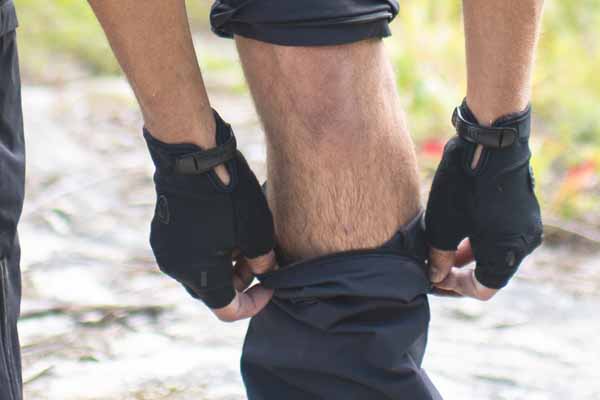
"Comfortable, fabric is soft but strong. Love the option to unzip for shorts."
- Hattie M.
Cold Weather Riding
In cold weather a thin outer cycling shell jacket or softshell fleece is all that is needed except in very cold regions, in which case a hard-shell Gore-Tex or other breathable jacket might be needed (along with windproof outer pants and boots with wool based socks.) Full-finger gloves or even lightly insulated gloves may also be needed to keep hands warm, as even without wind gusts, riding provides a constant 5-15 mph breeze in your face.
Last, But Not Least Important
Hydration is an the most important non-equipment factor for BP. Chances are the bike will be a heavier type without a motor-drive battery (as they usually don’t last long enough for patrol,) and you will be carrying another 15-25 pounds of gear and water.
In hot weather it is surprising how much fluid will be needed. Preferably non-sugared drinks and water should be sipped throughout the day and every time you are stopped. Dehydration increases blood pressure and places undue stress on the liver, kidneys, and skin which needs to cool the body through sweating and expel toxins created in exercise.
Overall, by being properly dressed and prepared for your shift on bike patrol, you can mitigate many of the problems and enjoy the ride.